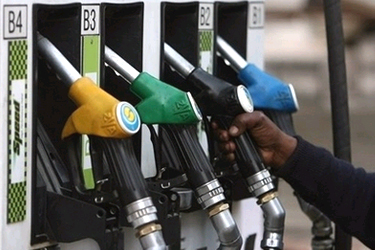

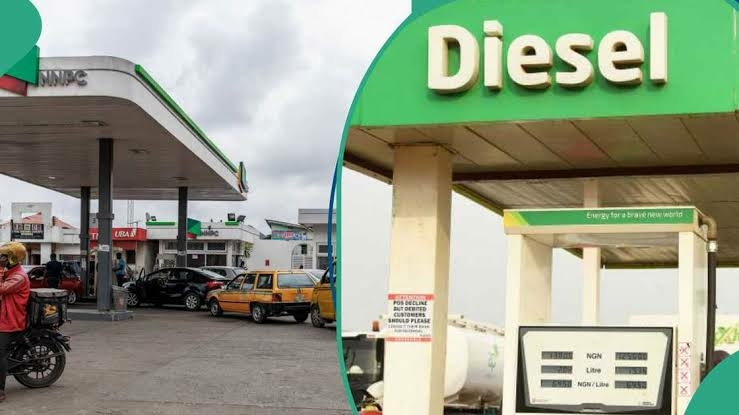
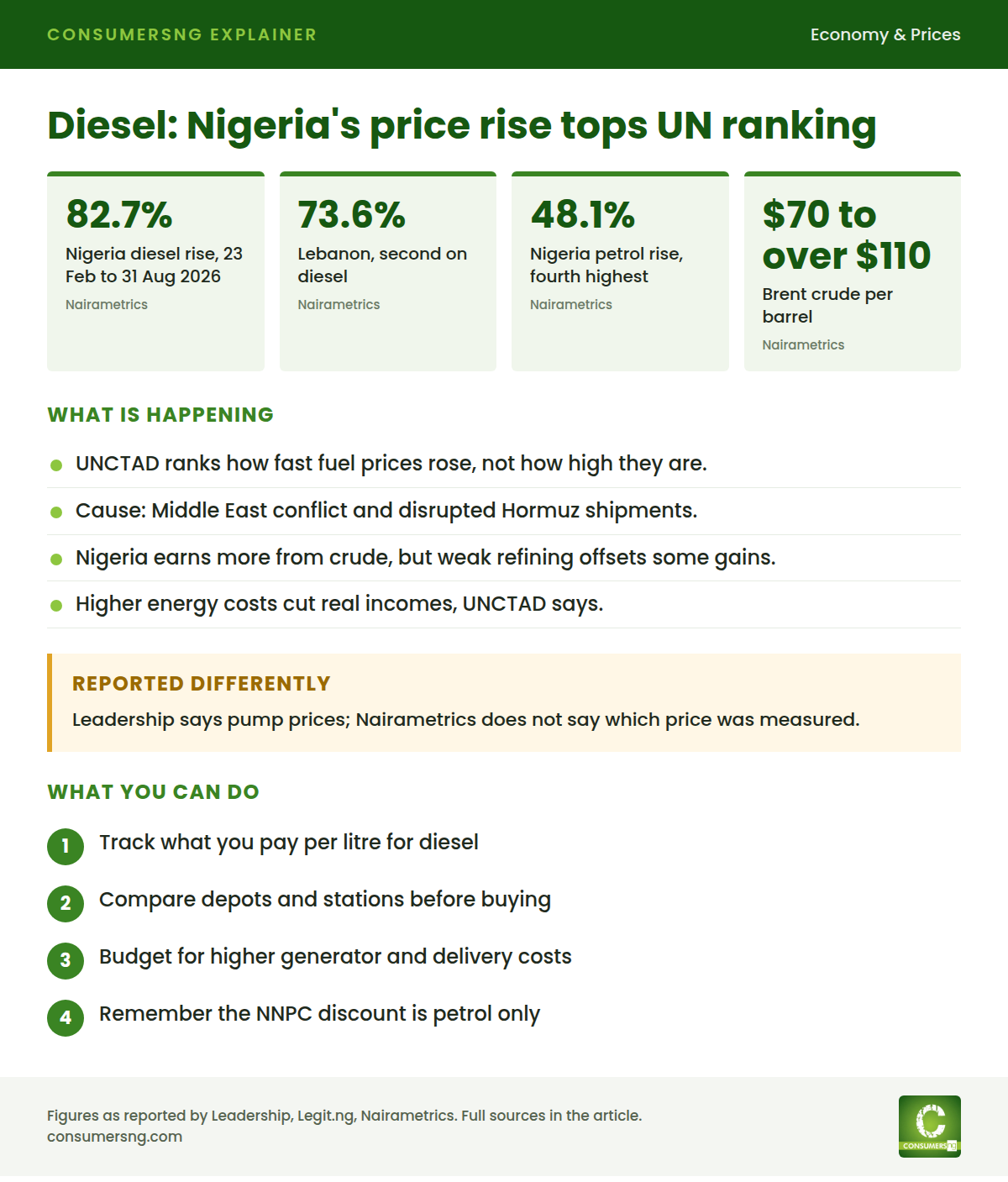
The United Nations Conference on Trade and Development (UNCTAD) released its Trade and Development Report 2026, titled The Geoeconomics of Development, on Friday 9 October 2026. Nairametrics reported on 10 October that the report puts Nigeria's diesel price increase at 82.7% between 23 February and 31 August 2026, the largest among the countries and territories UNCTAD compared.
An 82.7% rise means diesel on 31 August cost 82.7% more than on 23 February. The next largest increases were Lebanon at 73.6%, Peru at 66.7% and Guatemala at 66.3%. For petrol, Nigeria's rise was 48.1%, the fourth highest, behind Myanmar (50.7%), the United Arab Emirates (49.8%) and Malaysia (48.4%).
The ranking measures how fast prices rose, not who pays the most per litre. Legit.ng says so directly: the ranking measures how sharply prices increased, not which country had the most expensive diesel. Readers should not take this as proof that Nigeria has the world's costliest diesel.
UNCTAD links the surge to a Middle East conflict that damaged energy infrastructure and disrupted shipments through the Strait of Hormuz, which it describes as the largest monthly loss of global energy supply on record. Brent crude, the international oil benchmark, rose from about $70 to over $110 a barrel. UNCTAD expects prices to stay more than $30 a barrel above pre-conflict levels through the end of 2026.
In a second article, Nairametrics reported that UNCTAD names Nigeria, Angola, Guyana and Kazakhstan as oil and gas exporters outside the Strait of Hormuz that are positioned to benefit from higher prices. UNCTAD adds that where domestic refining capacity is insufficient, that advantage is partly offset by the steeper rise in refined product prices. In practice, higher crude earnings for the country do not automatically mean cheaper fuel at the pump or depot.
What the sources say
- Nairametrics: Reported on 10 October 2026 that UNCTAD's report shows Nigeria's diesel price up 82.7% between 23 February and 31 August 2026, ahead of Lebanon (73.6%), Peru (66.7%) and Guatemala (66.3%). Nigeria's petrol rise of 48.1% ranked fourth.
- Nairametrics: Quoted the report as saying exporters including Nigeria are positioned to benefit from higher prices, but that insufficient domestic refining partly offsets the gain. It also added its own figures: Dangote refinery supplied about 50 million litres of petrol a day in the first half of 2026, and daily petrol imports fell from 19.7 million litres in July to 14.6 million in August, citing the Nigerian Midstream and Downstream Petroleum Regulatory Authority (NMDPRA).
- Legit.ng: Reported on 11 October 2026 the same UNCTAD figures and stressed that the ranking measures the size of price increases, not the price per litre. In its own commentary it said higher diesel costs can raise spending on generators, haulage and distribution, and that households may pay more for goods and services even if they do not buy diesel.
- Leadership: Carried the same 82.7% diesel and 48.1% petrol figures, describing them as a rise in pump prices, with data as of 31 August. It repeats the Hormuz and Brent crude explanation.
- Leadership: Reported that the same UNCTAD report says African currencies lost a net 1.2% against the dollar between 1 January and 11 September, and commented in its own words that a steady exchange rate has not shielded households from the fuel price rise.
- Hausa Leadership: Repeated the 82.7% diesel figure for February to August 2026, but its headline uses the Hausa phrase mafi tsada, meaning most expensive, which blurs the size of the rise with the price level.
Where the sources agree
- Every outlet attributes the figures to UNCTAD's Trade and Development Report 2026, released on 9 October 2026, with fuel price data as of 31 August 2026.
- All give the same numbers: diesel up 82.7% and petrol up 48.1% in Nigeria between 23 February and 31 August 2026, with Lebanon, Peru and Guatemala next on diesel.
- All tie the shock to the Middle East conflict and the disruption of Strait of Hormuz shipments, with Brent crude rising from about $70 to over $110 a barrel.
- All say Nigeria, as an oil exporter, could gain from higher crude prices, but that limited refining capacity means refined fuel prices rise faster and eat into that gain.
- Nairametrics and Legit.ng give the same Dangote refinery supply figure (about 50 million litres of petrol a day in the first half of 2026) and the same NMDPRA import fall (19.7 million to 14.6 million litres a day, July to August 2026).
Where they differ
Which kind of price was measured
- Leadership: Describes the 82.7% as a rise in pump prices, which implies the price motorists or businesses pay at the station.
- Nairametrics: Refers only to the diesel price and does not say whether this is the pump, retail or wholesale price.
Whether the ranking means Nigeria has the most expensive diesel
- Legit.ng: States that the ranking measures how sharply prices rose, not which country has the highest price per litre.
- Hausa Leadership: Its headline uses the Hausa phrase mafi tsada, meaning most expensive, for Nigeria's diesel in the world, which suggests a price level rather than a rate of increase.
What the authorities say
UNCTAD is the source of the ranking. Quoted by Nairametrics, the report says the shock is global but its effects are uneven, that rising energy costs reduce consumers' real incomes and constrain consumption, and that the steepest domestic fuel price increases were in developing countries, mainly in Asia and Africa. It also says exporters such as Nigeria are positioned to benefit from higher prices, but that weak domestic refining partly offsets this. No comment from the Nigerian government, NMDPRA, the National Bureau of Statistics (NBS) or Dangote refinery on the ranking has been reported. On a related matter, Nairametrics reported that on 9 October the Federal Government said a 30-day NNPC Retail petrol discount would be funded from retail margins, not the budget, a statement it attributes to Finance Minister Taiwo Oyedele. That discount concerns petrol, not diesel.
What this means for you
Diesel powers many private generators, trucks and delivery vehicles. Legit.ng argues that higher diesel costs can raise spending on generators, haulage and distribution, so shops, transporters and food sellers may raise prices or absorb the cost. This is Legit.ng's reasoning rather than a measured finding, so watch your own receipts.
Households that never buy diesel can still feel it. Legit.ng says goods and services may cost more because businesses pass on higher running costs. UNCTAD, quoted by Nairametrics, says rising energy costs cut real incomes, meaning your money buys less.
Small businesses that run on generators, such as cold rooms, printing shops, salons and small factories, are most directly exposed. Costs depend on the price they actually pay at depots or stations, which may differ from the UNCTAD figure.
Higher crude oil earnings for Nigeria do not automatically lower fuel prices at home. Both Legit.ng and UNCTAD (via Nairametrics) say this. Growing local refining and falling petrol imports may reduce exposure to global swings, but the sources give no comparable diesel figures.
The NNPC Retail discount announced on 9 October covers petrol for 30 days and does not help diesel users.
What you can do
- Keep a simple record of what you pay per litre for diesel, or how much your generator costs per week, so you can see whether the increase is hitting you and by how much.
- Compare prices across several stations or depots before buying in bulk, and ask suppliers in writing how often and why they change prices.
- If you run a business, review your own prices and delivery charges against actual diesel costs rather than headline percentages, and tell customers early about any change.
- Cut avoidable generator hours where possible, service the generator regularly and consider cheaper power options if your grid supply allows.
- Do not assume the NNPC Retail petrol discount applies to diesel; ask the station what it covers.
ConsumersNG is a consumer research platform, not a financial adviser, lawyer or medical professional. These steps are general information to help you ask the right questions. Before making decisions about your money, health or legal rights, check with the relevant regulator or a qualified professional. Read our full Disclaimer.
Still unclear
- Which price did UNCTAD measure (pump, retail or wholesale), in which currency and from which data provider? The coverage does not say.
- What were the actual naira-per-litre diesel prices on 23 February and 31 August 2026? Without them the 82.7% cannot be checked against NBS or NMDPRA data.
- Why did Nigeria's rise exceed those of other countries? The coverage blames the global shock but does not say whether the exchange rate, deregulation or domestic refinery pricing played a part.
- Where do diesel prices stand now? The data end on 31 August 2026 and may be out of date.
- What do NMDPRA, Dangote refinery, NNPC and transporter and marketer groups say about the ranking and its effect on consumers?
- How many countries and territories did UNCTAD compare? The claim of the steepest rise in the world may hold only for its sample.
ConsumersNG's view
The core finding is credible enough to take seriously: several outlets report identical figures from the same UNCTAD report, and nothing in the coverage disputes them. But it is a ranking of how fast prices rose, not of how high they are, and it has not been independently verified. Treat the world's steepest rise as a statement about UNCTAD's sample, not proof that Nigerians pay the world's highest diesel prices.
The most useful reading for consumers is the second half of UNCTAD's message: Nigeria may earn more from crude, yet limited refining means refined fuels still follow global prices up. That is better supported by the evidence than the idea that higher oil income will soon bring relief at the pump. The knock-on effects on food, transport and power costs are plausible, but so far they rest on Legit.ng's reasoning rather than on measured data.
Consumers and small businesses should watch the actual diesel price they pay, ask suppliers to explain changes, and be wary of headlines that blur a percentage rise with a price level. We would like to hear from NMDPRA, Dangote refinery and marketers on why Nigeria's increase was so steep, and whether any relief for diesel users is planned.
This is ConsumersNG's opinion based on the sources above. It is not financial, legal or investment advice. Please speak to a qualified adviser before making decisions.
Sources & references
- SupportsNairametrics Nigeria records world's highest diesel price increase at 82.7% – Report
- ContextNairametrics UN names Nigeria among oil exporters set to benefit from higher energy prices
- SupportsLegit.ng Nigeria Records Highest Diesel Price Surge at 82.7%, UN Report Shows
- SupportsLeadership Nigeria's Diesel Price Rises 82.7%, Highest Worldwide—UNCTAD
- ContextLeadership Naira Gains 5% On Dollars As African Currencies Slide 1.2% — UNCTAD
- SupportsLeadership Farashin dizal a Nijeriya ya tashi da kashi 82.7, mafi tsada a duniya – UNCTAD
Researched with AI assistance and reviewed by a ConsumersNG editor. How we research.